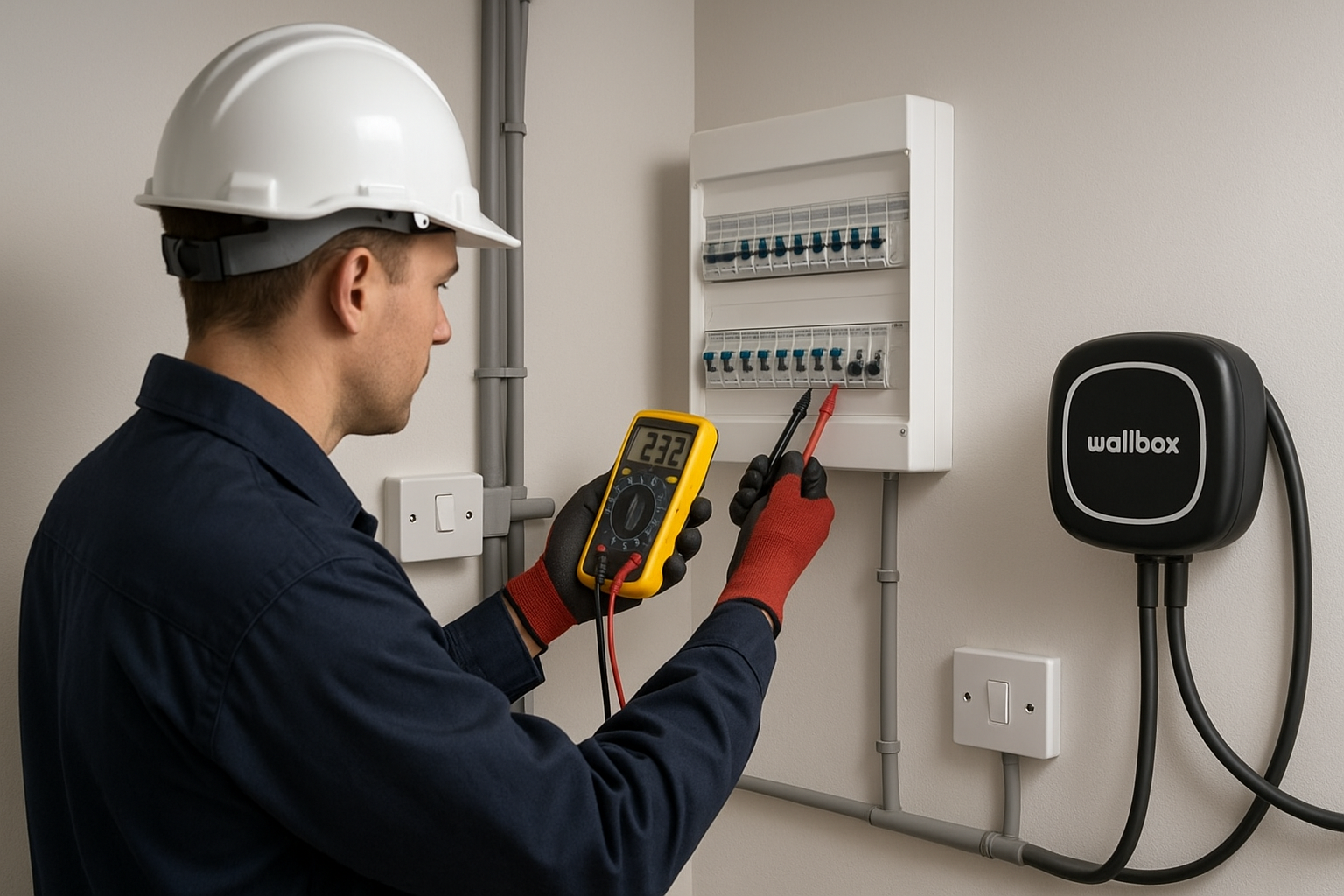
If you need an emergency electrician in Hampton Hill, Zap 247 Electricians provides urgent help for sudden electrical faults in homes, landlords’ properties, shops and offices. Electrical problems can range from a total blackout to repeated RCD trips, a burning smell from a socket, sparking switches or water damage to electrics. In those situations, the priority is safety first: switch off the affected circuit or the consumer unit if it is safe to do so, keep clear of damaged wiring and arrange a qualified electrician to inspect the fault.
We work across Hampton Hill and nearby areas including Teddington, Hampton, Fulwell, Twickenham and Sunbury, with local jobs also carried out near Bushy Park, Hampton Hill High Street, Fulwell Station, Hampton Court Palace and The Green. The area includes a mix of Victorian terraces, converted flats, older rewires, modern flats, shops and offices, and each type of property can present different electrical risks when a fault develops. Our focus is on finding the cause, making the installation safe and restoring power or lighting where possible.
For urgent help, call 020 3633 8349 or email info@hampton-hill-electricians.co.uk. We also welcome requests for emergency electrical support from homeowners, tenants, landlords and commercial customers who need a fast, clear response.
Recent local work has included a replacement light fitting support in Teddington, an intermittent lighting fault repair in Hampton, and an emergency power loss callout in Fulwell. Those jobs show the kind of issues we are often asked to deal with: checking the affected circuit, tracing the fault, explaining the next steps and leaving the installation safe.
Emergency Electrician Callouts in Hampton Hill
Emergency electrical callouts are for problems that cannot wait until a routine appointment. That may include a complete loss of power, repeated tripping, visible damage to a socket, overheating, a burning smell, sparks at a switch, or electrical equipment affected by water ingress. In Hampton Hill, these faults often turn up in older homes where the wiring has been altered over time, as well as in flats and commercial units where a single circuit can affect several rooms or appliances.
When we attend an emergency electrician callout, the first step is to identify whether the issue is isolated to one appliance, one circuit, or the whole installation. We then carry out inspection and testing appropriate to the fault, looking at the consumer unit, protective devices, cables, sockets, switches, lighting points and visible equipment. If the problem can be made safe immediately, that is the priority. If further repair work is required, we explain what has failed and what the next practical step should be.
For customers in Hampton Hill, this is often especially important in properties near the High Street or around older residential roads, where a fault may affect heating controls, lighting or essential sockets. Landlords and tenants also need a clear record of what was found, particularly when a fault affects a rented flat or shared property. We aim to give straightforward advice without unnecessary jargon, so you can make an informed decision about repair or replacement.
Emergency callouts can also involve making an unsafe installation safe after damage, poor workmanship or a sudden fault has been discovered. That might mean isolating a circuit, replacing a damaged accessory, securing exposed conductors or advising that a circuit should remain off until a proper repair is completed. Some electrical work may be notifiable under Part P of the Building Regulations, so where relevant the work should be carried out and certified appropriately.
Loss of Power and Total Blackouts in Hampton Hill
A total blackout can be caused by a tripped protective device, a network supply issue, a failed connection, damaged wiring, water ingress or a fault within a specific circuit that has taken the rest of the installation down. If the whole property has lost power in Hampton Hill, do not keep resetting equipment repeatedly. Instead, switch off sensitive appliances if you can do so safely, check whether neighbouring properties are affected, and arrange an electrician to investigate the installation.
For loss of power and total blackouts in Hampton Hill, the inspection process usually starts at the consumer unit and then moves through the affected circuit or circuits. We check whether the fault is local to the property or whether it may be related to the supply, and we look for signs such as heat damage, loose terminations, failed accessories or moisture around equipment. In older homes, especially Victorian terraces or properties with older rewires, a blackout can sometimes reveal hidden wear that needs proper repair rather than a quick reset.
In flats and commercial premises, a power loss may affect lighting, sockets, fridges, tills, IT equipment or security devices. That is why the fault-finding process matters: it is not just about restoring power, but understanding why it failed in the first place. In some cases, we can restore a safe supply once the fault is identified; in others, the safest option is to leave part of the installation isolated until the repair is complete.
We also help customers in nearby Teddington, Hampton, Fulwell, Twickenham and Sunbury when a blackout affects day-to-day use of the property. If you are unsure what has failed, it is usually best to leave the consumer unit alone and call for help rather than testing multiple switches and appliances.
Tripping Circuits and Repeated RCD Trips in Hampton Hill
Repeated tripping is one of the most common emergency electrical problems. It can happen when a circuit is overloaded, when an appliance is faulty, when there is moisture in a fitting, or when a wiring fault is causing the protective device to operate. A repeated RCD trip should never be ignored, because the device may be warning you about a genuine earth fault or unsafe condition.
For tripping circuits and repeated RCD trips in Hampton Hill, we look at the pattern of the trip first. Does it happen when one appliance starts? Does it occur after rain? Is it linked to a particular room, such as a kitchen, bathroom, loft or outside lighting circuit? That information helps narrow the fault before testing begins. We then inspect the circuit, associated equipment and visible terminations to identify what is causing the protective device to operate.
In homes around The Green or near Hampton Hill High Street, repeated tripping can be caused by a mix of older fittings and newer appliances pulling more current than the circuit was originally designed for. In modern flats, the cause may be a single appliance, a failed accessory or water entering an external light. In shops and offices, the issue may interrupt refrigeration, computers, displays or lighting, so a proper diagnosis is important for business continuity.
We do not recommend repeatedly resetting a tripping circuit without understanding the cause. If an RCD or breaker keeps operating, switch off the affected circuit, unplug any obvious appliances if it is safe to do so, and arrange an electrician to inspect and test the installation. If the fault is linked to a socket circuit, lighting circuit or fixed equipment, further testing may be needed before the supply can be restored safely.
Our recent local work in Fulwell involved an emergency power loss callout where we identified the problem circuit and explained the next repair steps before leaving the installation secure. That same approach applies to repeated trips: identify, isolate, make safe and explain the repair path clearly.
Burning Smells and Scorched Sockets in Hampton Hill
A burning smell from a socket, switch or consumer unit should be treated as urgent. Heat damage can develop quickly when a connection is loose, a socket is overloaded, an appliance is failing or a cable has been stressed. If you notice scorching, discolouration, crackling, heat or a smell of burning plastic, switch off the affected circuit if it is safe to do so and keep clear of the equipment.
For burning smells and scorched sockets in Hampton Hill, our job is to identify the source of heat and prevent further damage. That can involve removing a damaged accessory, checking the wiring behind it, testing the circuit and inspecting nearby equipment for signs of overheating. We also look for any reason the fault may have spread, such as heat affected insulation, loose connections or a damaged plug-in appliance.
These problems are particularly important in older properties, including Victorian terraces and converted flats, where socket positions, cable routes and later alterations may have created hidden stress on the installation. In commercial premises, a scorched socket can interrupt trading and create a wider safety concern if the circuit feeds essential equipment or office devices.
We do not advise using a socket or switch that has shown signs of scorching. Even if it appears to work again after a reset, the underlying fault may still be present. A proper inspection and test is needed to determine whether the accessory can be repaired, whether the circuit needs further work, or whether the damaged part should be isolated until replacement is completed. If water damage is involved, the risk can be higher because moisture and heat do not mix safely in electrical equipment.
Customers in Teddington, Hampton, Fulwell, Twickenham and Sunbury often contact us for this type of fault because it is visible and immediate. The key point is simple: if it smells hot, looks damaged or feels warm, leave it off and get it checked.
Making an Unsafe Installation Safe in Hampton Hill
Some emergency callouts are less about a single failed part and more about making an unsafe installation safe. This may follow accidental damage, signs of overheating, exposed wiring, water ingress, poor previous work or a fault discovered during use. In those situations, the immediate aim is not to complete every upgrade on the spot, but to reduce risk and secure the installation so the property can be used as safely as possible.
For making an unsafe installation safe in Hampton Hill, we assess the affected area, isolate dangerous circuits where needed and carry out the checks required to understand what is safe to leave energised. That might include disconnecting damaged equipment, securing loose fittings, replacing a defective accessory or advising that certain rooms or circuits remain off until proper repair work is arranged.
This service is especially relevant for landlords, tenants and commercial customers. A landlord may need a property made safe before a tenant can return to normal use. A tenant may need clear advice after a fault has developed in a flat. A shop or office may need the installation secured so staff can continue working while the repair is planned. We approach these jobs with practical advice and a focus on limiting disruption where possible.
Hampton Hill has a varied building stock, so the safest solution is not always the same from one property to the next. A modern flat near the station may need a targeted repair to a single circuit, while an older house near Bushy Park may need a more careful check of the wiring condition and accessories. In every case, we work from the fault in front of us, not from guesswork.
Where electrical work is required after an emergency, some of it may be notifiable under the Building Regulations and should be handled accordingly. Customers should ask for current scheme registration and insurance details before electrical work is booked, especially when the issue affects the consumer unit, a circuit alteration or a safety-critical repair.
Zap 247 Electricians provides emergency and planned support for domestic electrician, commercial electrician, electrical repairs, consumer unit work, lighting installation, socket installation and electrical fault finding. If you need urgent help in Hampton Hill or the surrounding area, call 020 3633 8349 and we will talk through the problem, the safest next step and whether a visit is needed today.
To request emergency electrical support, contact Zap 247 Electricians at 020 3633 8349 or email info@hampton-hill-electricians.co.uk. We cover Hampton Hill and nearby locations including Teddington, Hampton, Fulwell, Twickenham and Sunbury.